
Robots for when you need an extra hand.
DreamOne picks and stocks orders using the shelves, bins, and workstations already in your warehouse. It handles peak demand for you and flexes across workflows as needed. DreamOne learns the job from your team as they work, so it always does it your way.
Robots for every business and every home next.
Built to be adaptable.
Warehouse automation was built for facilities that do one thing at an enormous scale. Most warehouses aren’t that. They run thousands of SKUs, change them constantly, and handle the rest with labor that is increasingly scarce and difficult to hold on to.
DreamOne learns the way a new hire does, by watching how your team does the work, so no re-engineering is needed when the work changes.
Turn on robots for the Sunday rush or the Q4 ramp and reassign them when it passes. Our robots reduce stress in your existing system.
DreamOne works with the shelves, bins, and workstations already in your warehouse, alongside your team, starting day one.
Meet DreamOne.
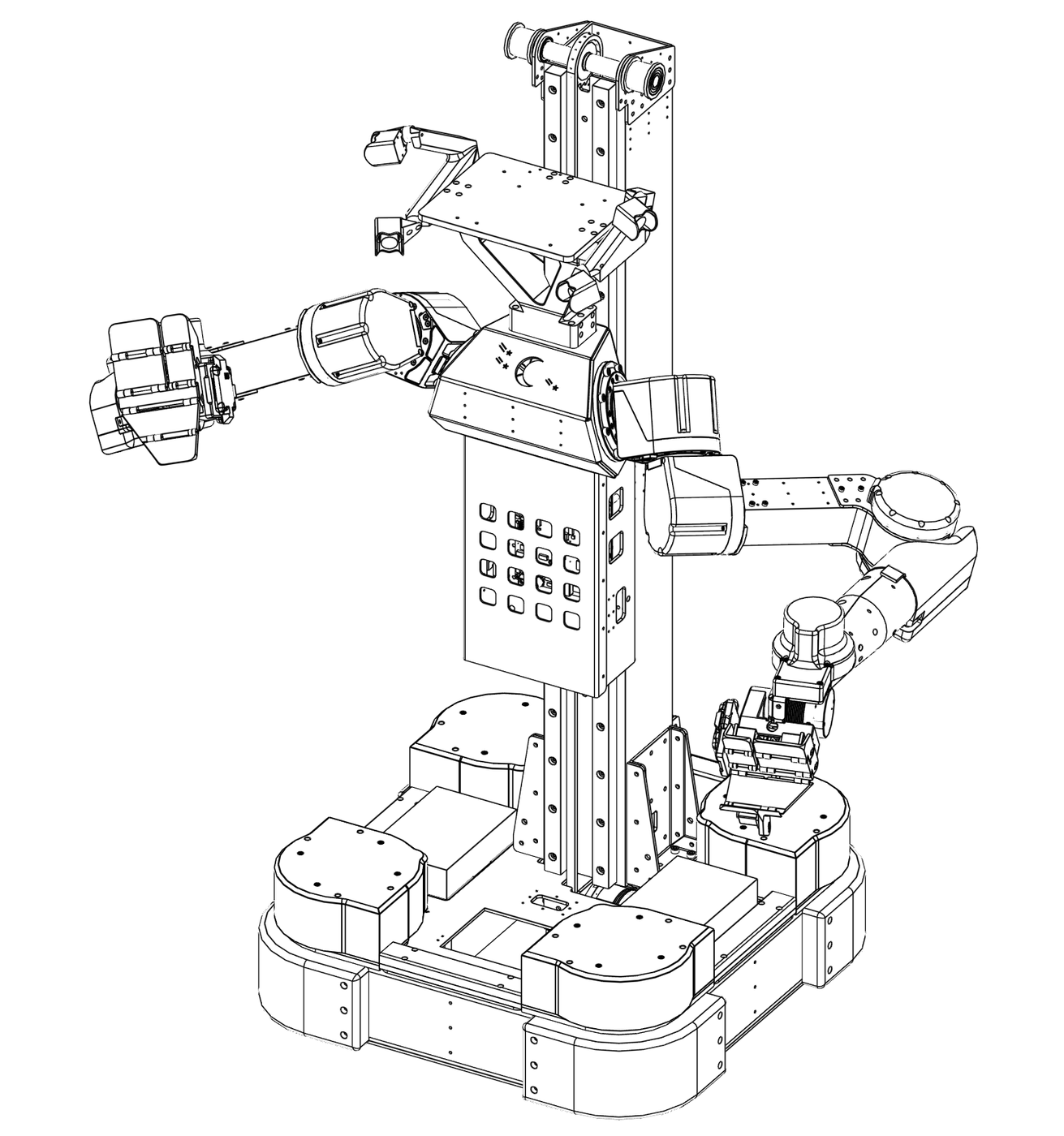
DreamOne needs nothing from you but floor space. It works with the shelves, bins, and workstations already in your warehouse, next to the people already using them, so there is no expensive retrofit or shutdown window. Adding robots for a busy month is as simple as flipping a switch, with no capital to approve.
Learning from people, not teleoperation.
Most robots are trained by remote-controlling them in lab-like rooms, which is slow and expensive and breaks down as soon as the scenery changes. We train on workers doing their normal jobs, recorded by a wearable they forget they’re wearing.
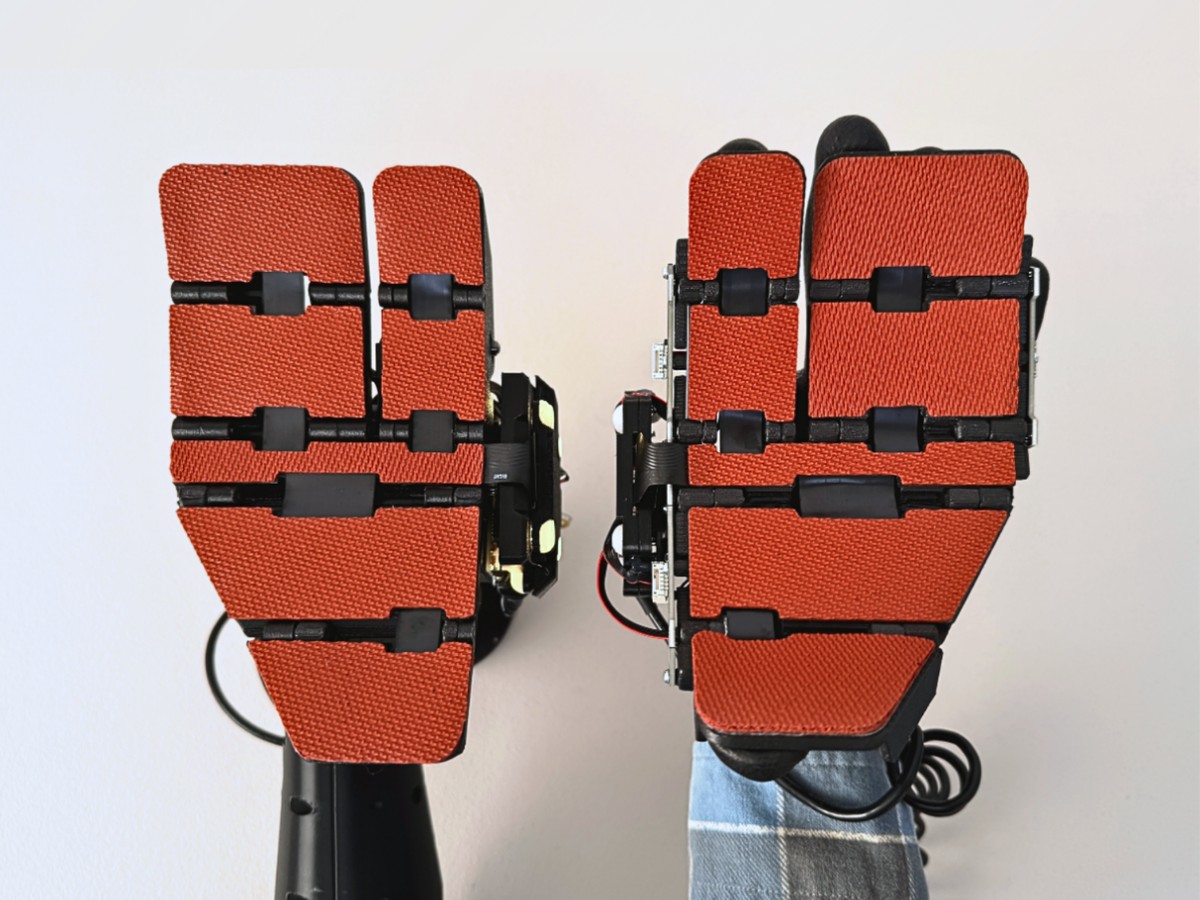
DreamCatcher records what the hands see, where they go, and what they feel, all shift long, without slowing anyone down.
Thousands of hours recorded so far across our capture backpacks, on the way to a million hours of real fulfillment work in visual, spatial and tactile detail. Every shift a worker wears DreamCatcher adds to it.
Every shift makes the robot better.
Human data is diverse by nature. It comes from different rooms, lighting, objects and people, so the policies it trains generalize where teleoperated ones fail. Every deployment adds more data to the same loop.
- 01
Capture
Workers wear DreamCatcher during normal shifts. The work gets done as usual and the data is collected at no extra cost.
- 02
Train
In-house models learn from vision, motion, and touch together, turning demonstrations into robot policies.
- 03
Self-improve
DreamOne keeps learning on the job from its own successes and failures.
- 04
Deploy
Robots are added where needed and reassigned when not. The data they collect while working goes into the next round of training.
Roboticists who have shipped real products.
Between us we led dexterous manipulation at Tesla Optimus, co-developed the actuators inside nearly every modern robot, and shipped robotics products at Google X and Toyota. We are now one team in the San Francisco Bay Area.

Nathan Kau
Created Stanford Pupper and co-created CS123. Previously built AI for deployed robots at Google X and Toyota, and co-founded Last Feet, a robot delivery startup.

Gabrael Levine
Led reinforcement learning for dexterous manipulation on the Tesla Optimus AI team. Previously in Fei-Fei Li’s lab at Stanford on embodied AI.
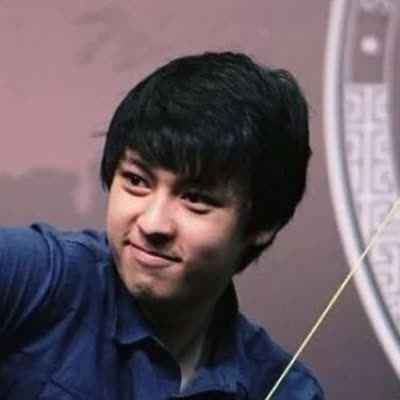
Alex Hattori
MIT Biomimetic Robotics Lab, working on Mini Cheetah and MIT Humanoid. Co-developed the low-cost actuators now used across the industry, and took a robotics startup from concept to mass production.
Put robots to work on your floor.
We’re working with a small number of early partners in e-commerce fulfillment, especially operators heading into a peak they know they can’t staff. If that sounds like you, or you want to build this with us, we’d like to hear from you.